How secure is a loopring wallet for everyday use?
It is built to be highly secure. Because it is non-custodial, your private keys never leave your device. The wallet cannot access your funds without your approval.
A loopring wallet gives you a fast, low-cost way to manage assets on the ethereum network. It never leaves the security of layer 2. As a dedicated layer 2 wallet, it settles trades and transfers in seconds. You avoid waiting on congested mainnet blocks. You keep the same security that makes Ethereum trustworthy, without the delays and fees of the base chain.
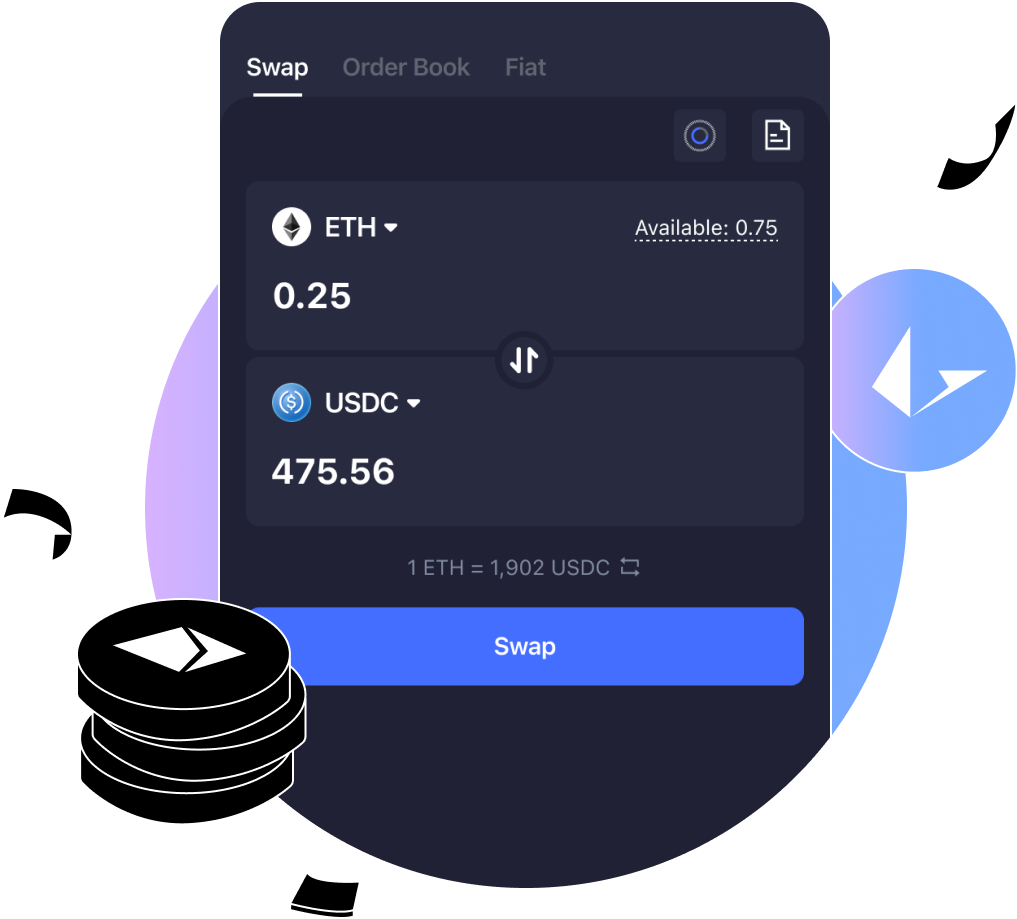
Loopring is a protocol built on top of Ethereum to scale ethereum transaction volume without sacrificing security. Rather than replacing the ethereum layer, loopring layer 2 processes transactions off-chain. It settles the results back on mainnet.
This approach keeps the wallet connected to the same trust guarantees as Ethereum itself. Transaction fees stay far lower, and confirmations settle faster. Nothing about the security model changes, only where computation happens.
Every transaction routed through the network relies on a smart contract to verify what happened off-chain. Instead of trusting a middleman, the network uses knowledge proofs to confirm that a batch of transactions is valid. This happens before the batch ever touches the main Ethereum chain.
Layer 2 networks generally fall into two camps. Optimistic rollups assume transactions are valid unless someone proves otherwise. This network takes the opposite approach: it generates proofs up front, reducing costs and removing the waiting period that optimistic designs typically require.
This translates directly into faster transaction speeds. What might take minutes and cost several dollars on mainnet Ethereum often settles in seconds for a fraction of a cent instead.
The official project lives on loopring-wallet.to, where you can access the wallet, read key information, and stay up to date with the current platform experience. The site is the main place to start if you want a direct path into the wallet flow and supporting legal pages.
Bookmarking the site early keeps you updated, since the team posts announcements about upgrades, new markets, and security notices there first.
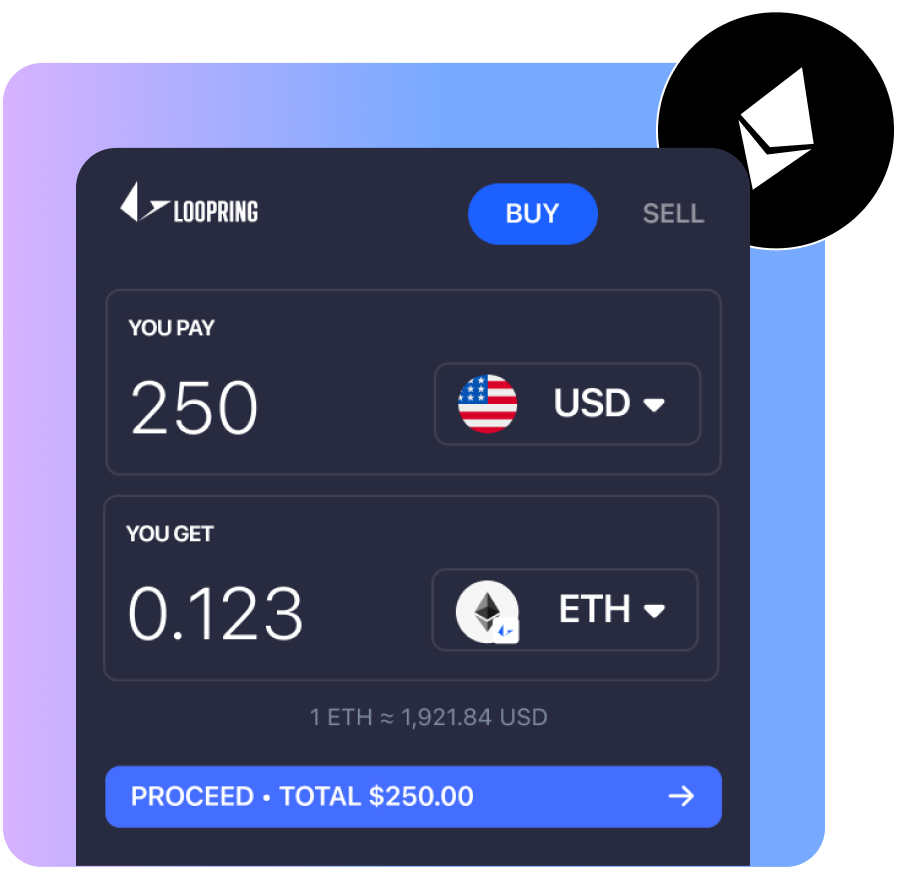
Sending and receiving assets through the l2 wallet follows a familiar pattern:
You can also buy loopring directly through supported exchanges linked inside the app. Acquiring the native token this way does not require a separate account elsewhere.
Loopring staking lets holders lock tokens to support network operations and earn rewards in return. Staked tokens help secure the exchange and back a protocol fee pool. Participation ties directly to how the network performs.
Rewards accrue over time, and you can typically unstake once a cooldown period passes.
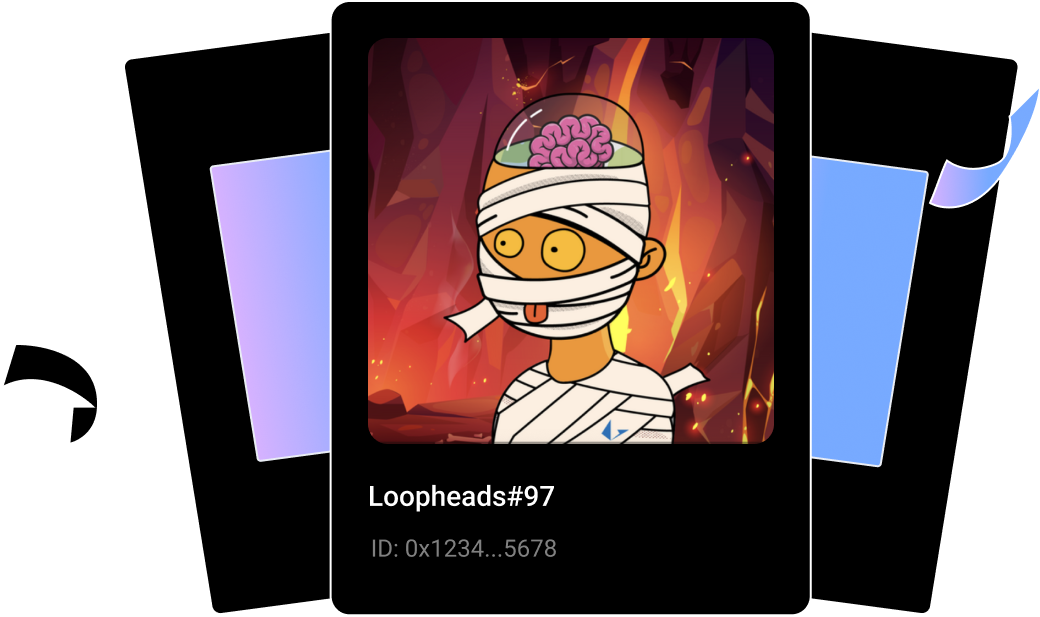
Loopring wallet works as a non-custodial wallet, not a custodial wallet. Your private keys stay on your device, and no central company holds your funds at any point.
You approve every transaction yourself before it goes through. If the wallet company disappeared tomorrow, your crypto asset holdings would remain fully under your control. Access never depended on their servers in the first place.
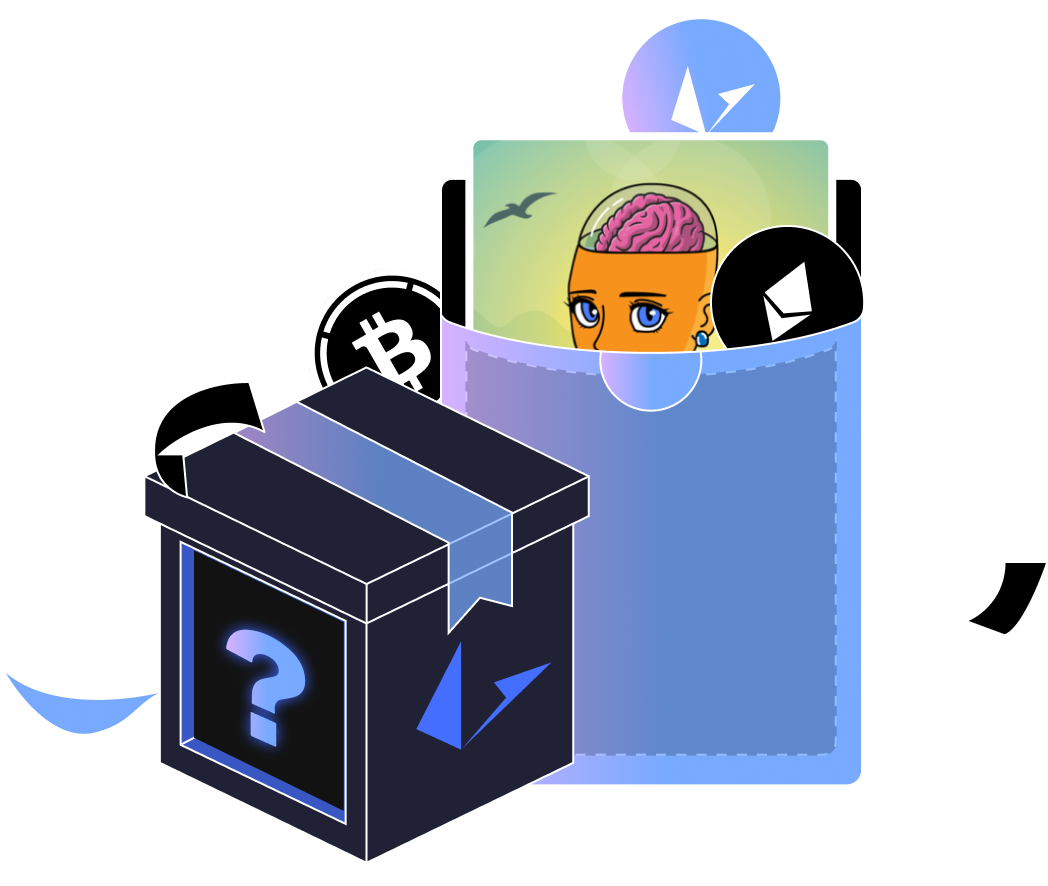
Loopring layer 2 technology powers more than trading. The loopring gamestop marketplace used this same infrastructure to handle NFT transactions at scale. That proved zero-knowledge rollups can support consumer-facing products, not just crypto-native trading platforms.
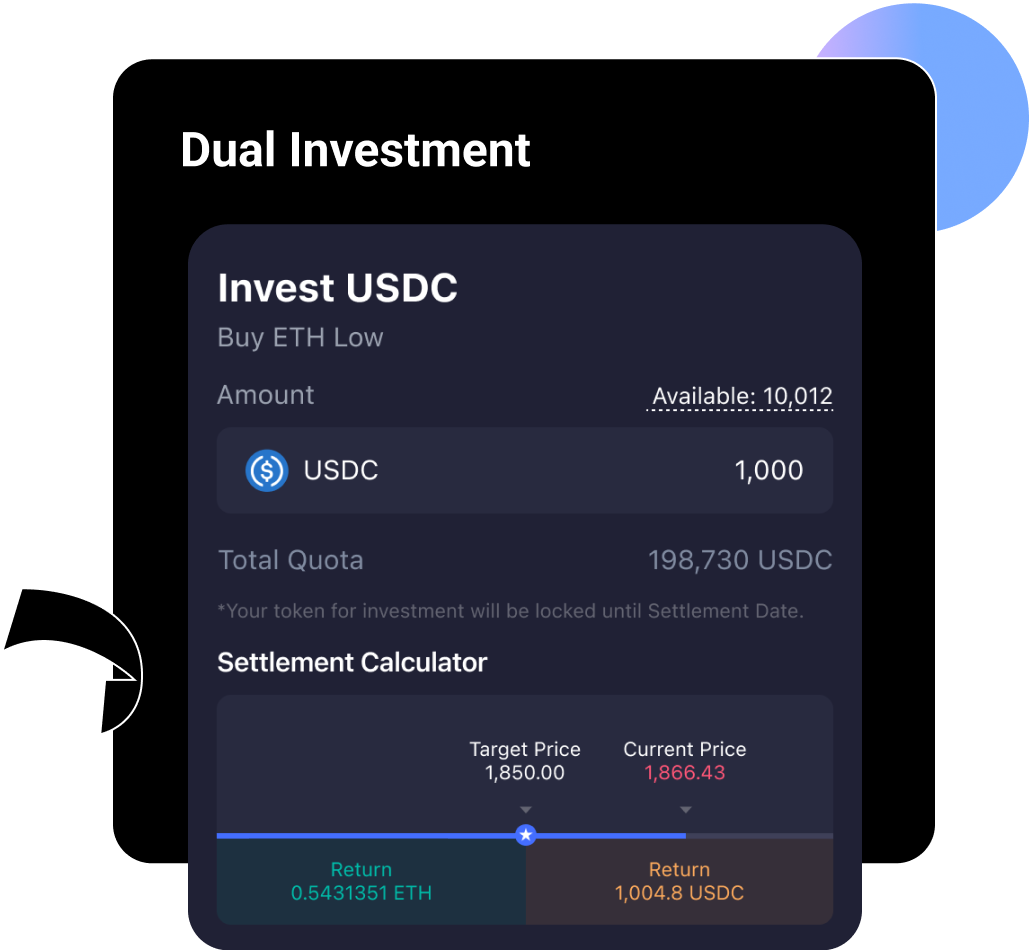
Beyond that example, the wallet connects to a wider set of decentralized exchanges. It supports core decentralized finance defi activities like swapping, staking, and providing liquidity, all without leaving the app.
The mobile app mirrors the desktop experience, so switching between devices never means relearning the interface. Both stay genuinely user friendly. A clean layout keeps balances, trades, and staking positions visible at a glance.
It is built to be highly secure. Because it is non-custodial, your private keys never leave your device. The wallet cannot access your funds without your approval.
You can buy loopring through supported exchanges connected inside the app. You can also transfer tokens in from another wallet that already holds them.
Loopring relies on knowledge proofs rather than the optimistic rollup model. This removes the withdrawal delay common on optimistic networks. That difference matters most when you need funds back on mainnet quickly.
No. Staking is optional. You can trade, hold, and transfer assets on the l2 wallet without ever locking tokens.
Visit loopring-wallet.to and connect your account to start trading on layer 2. Whether you come for lower transaction fees, staking rewards, or simply a faster way to use Ethereum, the entire process stays inside one wallet.